
Walking into a busy bank branch in Phnom Penh has become a familiar scene for millions of Cambodians. Long queues stretching across the lobby, customers waiting over an hour just to deposit a cheque, and frustrated faces at the teller counters — these are not isolated incidents but daily realities for many banking customers across the kingdom.
The traditional banking experience in Cambodia has long been defined by patience and endurance. With rapid economic growth and increasing financial inclusion, bank branches are busier than ever. Yet, the infrastructure and service delivery models have not kept pace with customer expectations. Today's banking customers demand speed, transparency, and convenience — qualities that a well-implemented queue management system can deliver.
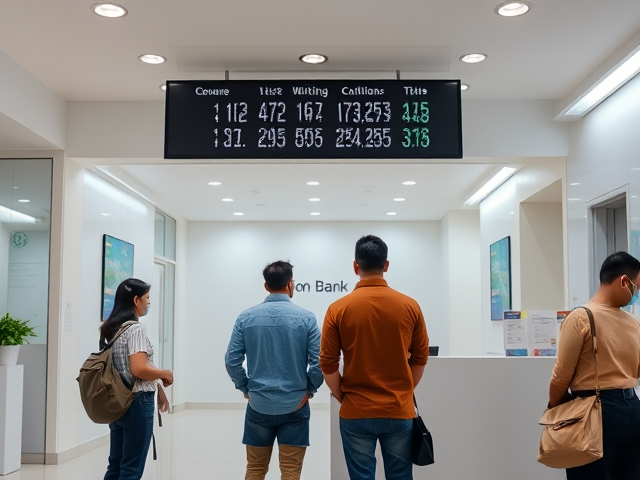
Banking is the backbone of Cambodia's economy, and the sector has seen remarkable growth over the past decade. However, this growth has brought a new set of challenges — particularly in branch operations. Long waiting times are not merely an inconvenience; they are a significant barrier to customer satisfaction and retention.
Research shows that customers who wait more than 10 minutes in a bank branch are 60% more likely to leave without being served. For banks operating in a competitive landscape with digital-first fintech alternatives, losing walk-in customers to poor queue management is a costly mistake. A smart queue system addresses this by transforming chaotic branch environments into orderly, efficient service experiences.
Types of Queue Management for Banks
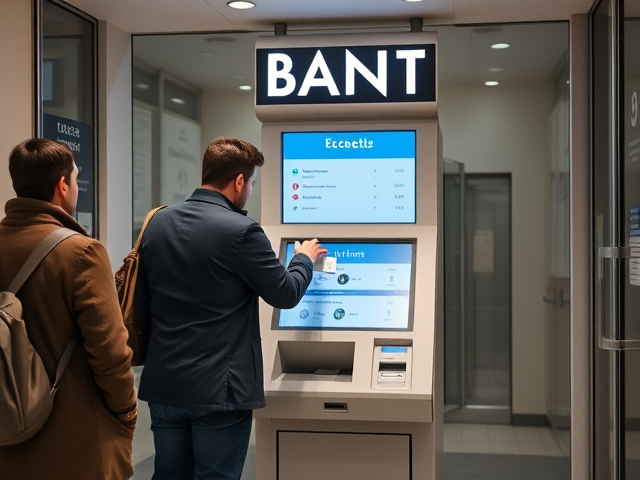

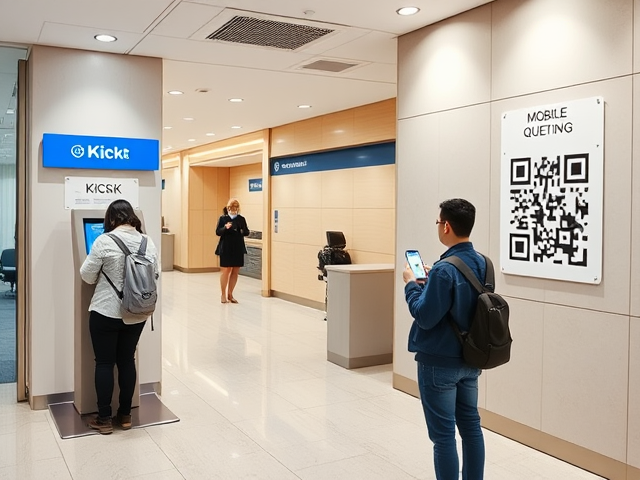

For banks in Cambodia, reducing branch waiting times is not just a service improvement — it is a business imperative. Studies indicate that the average bank customer in Southeast Asia is willing to wait only 6 to 8 minutes before becoming dissatisfied. In Cambodia, where banking hours are often limited and branches serve dense urban populations, exceeding this threshold means lost customers and damaged reputations.
A smart queue system directly tackles this problem by intelligently routing customers to the right service point, balancing workload across tellers, and providing accurate wait time estimates. When customers know exactly how long they will wait and can plan accordingly, the perceived wait time drops significantly — even if the actual time remains the same.
By implementing a queue management system, Cambodian banks can reduce average branch wait times by up to 40%. This translates to more customers served per day, shorter queues, and a dramatically improved customer experience that keeps patrons coming back.
In banking, trust is everything. When a customer walks into a branch, they expect to be treated fairly, informed clearly, and served promptly. A queue management system delivers on all three expectations by creating a transparent queuing process that eliminates the frustration of uncertainty.
Here is how a smart queue system improves the customer experience at every touchpoint:
When banks prioritise the customer experience through smart queue technology, they signal to their patrons that their time and comfort matter. This is a powerful differentiator in Cambodia's competitive banking sector, where customer loyalty is earned through consistent, respectful service delivery.
A smart queue system does far more than manage lines — it optimises the entire branch operation. For bank managers in Cambodia, this means gaining real-time visibility into customer flow, staff workload, and service bottlenecks. The result is a branch that runs like a well-oiled machine.
By leveraging a queue management system for operational intelligence, Cambodian banks can transform their branches from cost centres into efficiency-driven service hubs that delight customers and empower staff.

In Cambodia's rapidly evolving financial landscape, customer service is the primary battleground for bank differentiation. A queue management system is not a luxury — it is a foundational tool for delivering consistent, high-quality service at scale.
For banks in Cambodia, investing in a smart queue system is an investment in the customer experience that drives long-term loyalty and competitive advantage. It is the difference between a branch that merely processes transactions and one that truly serves its community.
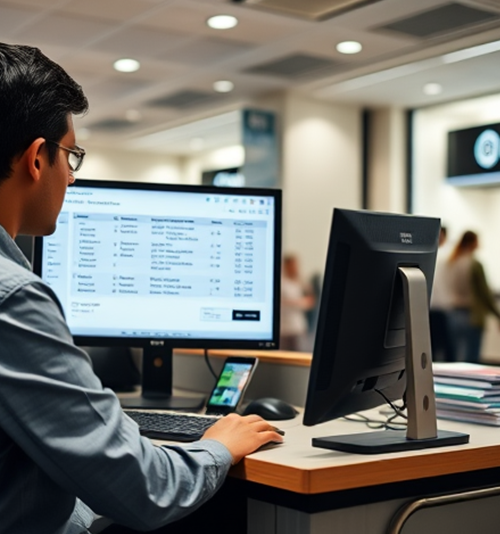
Bank tellers and customer service officers in Cambodia face immense pressure daily. Long queues, angry customers, and repetitive transactions create a high-stress work environment that leads to burnout and turnover. A queue management system alleviates this pressure by bringing order to chaos.
When a smart queue system manages customer flow, staff no longer need to shout out names, manage physical ticket stacks, or deal with line-cutting disputes. They can focus entirely on serving the customer in front of them with full attention and professionalism.
Branch managers gain real-time dashboards showing queue lengths, average wait times, and staff utilisation rates. This data allows them to make informed decisions about staffing levels, counter allocation, and peak-hour preparation — all without guesswork.
And when staff are not constantly managing disorderly queues, they are free to do what they do best: provide excellent customer service. They can engage meaningfully with customers, cross-sell products, and resolve issues efficiently. This shift in focus elevates the entire branch culture and improves the overall customer experience.
For bank executives in Cambodia, the cost of poor queue management is substantial. Walk-away customers represent lost revenue. Overstaffed branches during off-peak hours waste payroll. Understaffed branches during peak hours damage the brand. A smart queue system addresses all three issues simultaneously.
A queue management system makes a measurable difference:
The return on investment for a queue management system in a Cambodian bank branch is typically realised within the first six months. The combination of reduced operational waste, improved staff productivity, and increased customer retention makes it one of the most impactful technology investments a bank can make.
A modern queue management system does far more than manage lines — it generates a rich stream of data that bank managers can use to make smarter, more informed decisions. This data-driven approach is essential for banks in Cambodia that want to stay ahead of customer expectations and operational challenges.
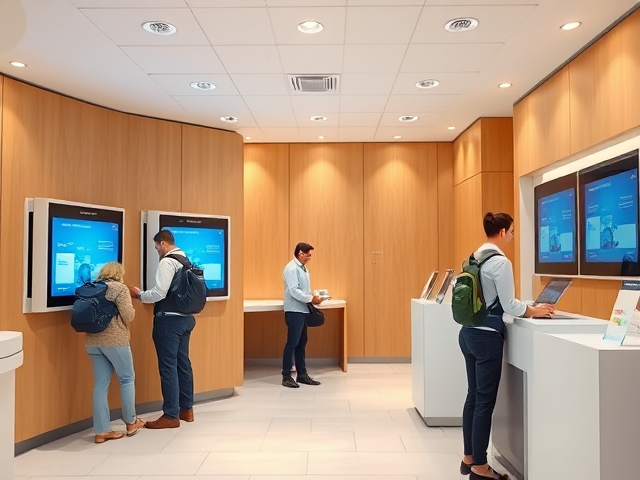
When it comes to selecting a queue management system for banking operations in Cambodia, QueueBee stands out as the ideal partner. Built specifically for high-volume service environments, QueueBee's smart queue system addresses every challenge that Cambodian banks face — from branch congestion to staff inefficiency to declining customer satisfaction.
For banks in Cambodia seeking the best queue management system to reduce branch waiting times and elevate the customer experience, QueueBee delivers proven results, local market understanding, and technology built for the realities of Southeast Asian banking.
Ready to reduce branch waiting times and deliver exceptional customer experience to your bank's patrons across Cambodia? Discover how QueueBee's smart queue system and queue management system can revolutionise your branch operations.
Contact us today for a personalised demo and see the difference.