
Across Cambodia, citizens visiting government offices face a familiar and frustrating experience: long physical queues that stretch for hours, often under sweltering heat or heavy rain. Whether it is the Department of Land Management, the Ministry of Interior, or a local municipal office, the traditional queuing system has long been a bottleneck in public service delivery. Citizens waste entire days waiting for what should be a straightforward transaction, while government staff struggle to manage overcrowded counters and unpredictable foot traffic.
This is where a modern queue management system becomes a game-changer. Digital queues are transforming how government agencies in Cambodia handle citizen interactions, replacing chaos with order and uncertainty with transparency. By adopting a smart queue system, government offices can significantly reduce wait times, improve service quality, and restore trust in public institutions.
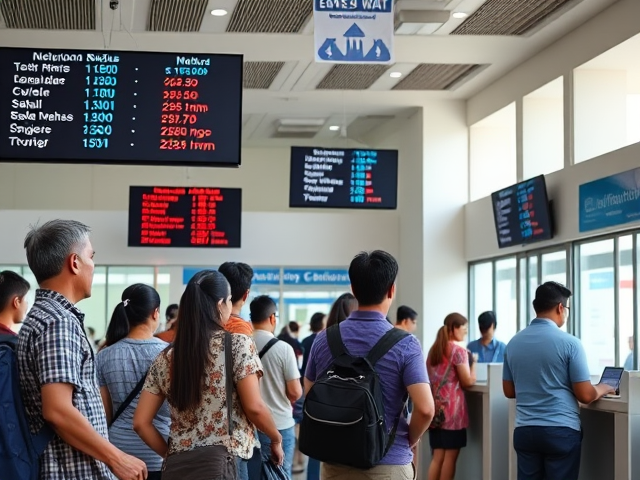
In a country where public service accessibility is a cornerstone of national development, the efficiency of government offices directly impacts citizens' daily lives and their confidence in public institutions. Cambodia has made significant strides in digital transformation, but the gap between policy and on-the-ground service delivery remains wide. Long queues at government offices are not merely an inconvenience; they represent a systemic failure in service design that affects millions of citizens annually.
A well-implemented queue system addresses this gap by introducing structure, fairness, and accountability into public service delivery. When citizens know their place in line, receive real-time updates, and can plan their visits efficiently, the entire experience shifts from frustration to satisfaction. This is not just about convenience; it is about dignity, respect, and the fundamental right of every citizen to access government services without unnecessary hardship.
Understanding the Options Available
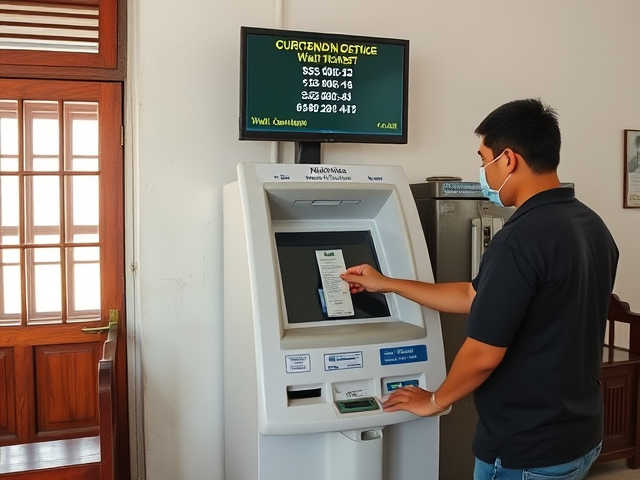


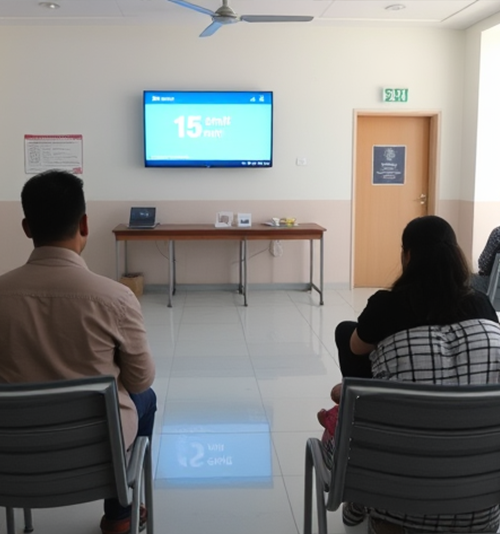
One of the most immediate and visible benefits of implementing a queue management system in government offices is the dramatic reduction in wait times. In Cambodia, it is not uncommon for citizens to spend three to four hours waiting at a single government counter. With a smart queue system, these waits are compressed into manageable intervals of fifteen to thirty minutes, as the system optimises service flow and prevents bottlenecks at individual counters.
By distributing citizens evenly across available service points and providing real-time updates on wait durations, the queue management system ensures that no citizen is left waiting unnecessarily. This is particularly impactful for vulnerable populations, including the elderly, pregnant women, and persons with disabilities, who face disproportionate hardship during long physical waits. A virtual queue system allows these citizens to wait in comfort and arrive only when their turn is near.
The impact extends beyond individual convenience. When government offices process citizens more efficiently, the overall throughput of the office increases, reducing the backlog of pending services and improving the government's capacity to serve its population. This is a critical factor in Cambodia's ongoing digital government transformation agenda.
Fairness is a cornerstone of public trust in government institutions. When citizens perceive that the queue system is biased, corrupt, or manipulated, their confidence in public service erodes. A digital queue system eliminates this concern by enforcing a first-come, first-served principle that is transparent to all participants. Every citizen receives a numbered ticket, and their position in the queue is displayed publicly on digital screens.
The transparency of a smart queue system delivers multiple benefits:
By integrating seamless communication into the queuing process through SMS notifications, digital displays, and mobile app updates, citizens stay informed and engaged throughout their visit. This not only smooths out the waiting experience but also reinforces the government's commitment to citizen-centric service delivery.
One of the most powerful advantages of a queue management system is the wealth of data it generates. Every queue interaction produces valuable metrics: peak arrival times, average service duration, most-requested services, and citizen wait times. For government agencies in Cambodia, this data is a goldmine for operational improvement and policy planning.
Data-driven insights from a queue management system empower Cambodian government agencies to move from reactive to proactive service management. Instead of guessing where problems exist, leaders can see them clearly and act decisively.

Citizen satisfaction with government services is a direct reflection of how well a government respects the time and dignity of its people. A queue management system sends a clear message: your time matters, and we value your visit. This simple yet powerful gesture has profound implications for public trust and government-citizen relations in Cambodia.
Effective citizen engagement is a continuous journey of understanding and responding to public needs. Implementing a robust queue management system is a powerful step in this journey, ensuring that every government-citizen interaction builds rather than erodes trust.

Government agencies in Cambodia operate under significant resource constraints. Staffing levels, office space, and budget limitations often prevent agencies from scaling service delivery to meet citizen demand. A queue management system addresses these constraints not by adding more resources, but by using existing resources more effectively.
By automating queue management, government offices reduce the need for staff to manually manage lines, issue tickets, and answer repetitive questions about wait times. This frees up personnel to focus on actual service delivery rather than crowd control. Additionally, the system's ability to route citizens to the most appropriate counter based on their service type reduces misrouting and rework.
Reduced administrative overhead from manual queue management, allowing staff to redirect their efforts toward citizen-facing tasks. Improved service consistency, as the queue system ensures every citizen receives the same level of attention regardless of which counter they are assigned. Better workload balancing across staff members, preventing some officers from being overwhelmed while others remain underutilised.
When government agencies are freed from the burden of managing chaotic queues, they can focus on what they do best: serving the public with competence, compassion, and efficiency.
Inefficiency in government service delivery carries a heavy cost, not just in terms of citizen frustration but in tangible financial losses. Long queues lead to lost productivity for citizens who take time off work to visit government offices. They also lead to wasted government resources, as staff spend valuable hours managing lines rather than delivering services.
A queue management system delivers measurable cost savings across multiple dimensions:
The return on investment for a queue management system in government settings is substantial. When multiplied across hundreds of government offices nationwide, the cumulative savings in time, money, and citizen productivity are enormous.
Cambodia's digital government agenda is ambitious, with goals to digitise hundreds of public services and create a seamless citizen experience across all government touchpoints. A queue management system is a foundational component of this transformation, providing the infrastructure needed to manage citizen flow in a digital-first world.
By adopting a queue management system today, Cambodian government agencies are not just solving today's queue problems; they are building the foundation for a future where government service delivery is accessible, efficient, and citizen-centric for all.
Ready to revolutionise your government service delivery? Discover how QueueBee's queue management system can transform your agency's operations, reduce citizen wait times, and restore trust in public institutions.
Contact us today for a personalised solution