
Every day, thousands of customers walk into retail stores, banking branches, and hospitality venues only to face the same frustrating experience: long, unmanaged queues. In today's fast-paced world, where instant service is no longer a luxury but an expectation, waiting time has become one of the biggest pain points for businesses trying to deliver quality customer experiences.
A recent survey revealed that 62% of customers will abandon a physical queue if the wait exceeds 10 minutes. For businesses in Cambodia and across Southeast Asia, this statistic is not just a number — it represents lost revenue, damaged reputation, and missed growth opportunities. The traditional approach of "first come, first served" simply does not cut it anymore.
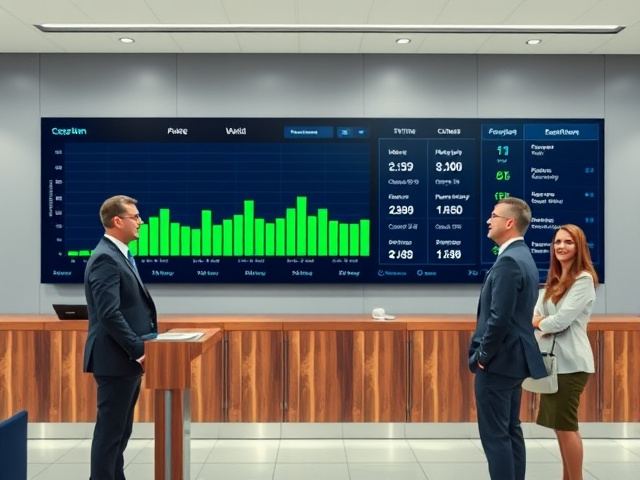
Waiting time is not merely an operational inconvenience — it directly impacts customer retention, staff morale, and overall profitability. When customers are forced to stand in long lines, their perception of your brand suffers. They begin to associate your business with frustration, inefficiency, and poor service quality.
This is especially critical in competitive markets like Cambodia, where consumers have multiple alternatives. A digital queue solution that effectively reduces waiting time gives your business a significant competitive edge. It signals to customers that you value their time, respect their experience, and are committed to modern service standards.
How a queue management system works depends on the approach your business adopts
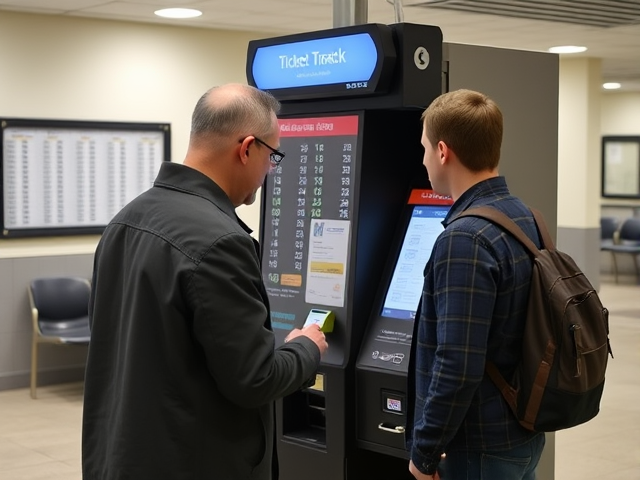
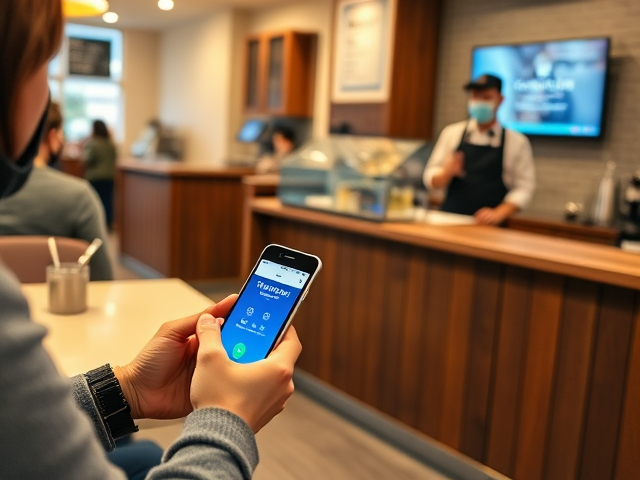
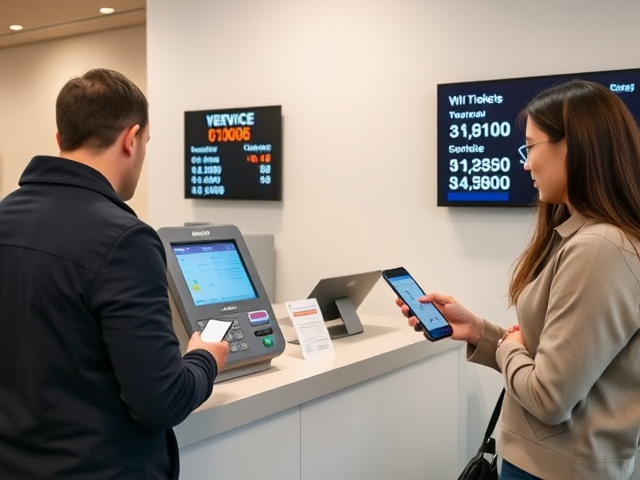
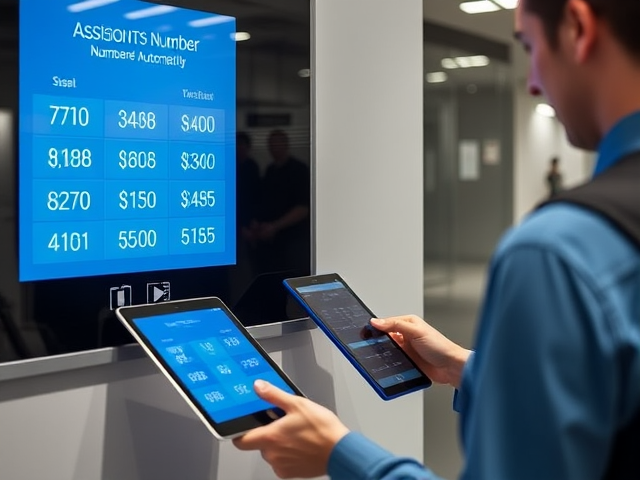
At the heart of every effective queue management system is automated queue ordering. Instead of customers physically jostling for position or relying on staff to manually track who arrived first, the system assigns digital tokens and sequences service delivery automatically.
This automation eliminates the human errors that cause delays — such as forgotten names, misplaced tickets, or staff confusion during peak hours. By ensuring that every customer is served in the exact order they joined, a queue management system creates a predictable, fair, and efficient service flow that dramatically cuts down on unnecessary waiting time.
For businesses in Cambodia where peak-hour congestion is common, this level of automation is transformative. Retail stores, banks, and clinics can process customers faster, with fewer errors and significantly less stress on both staff and patrons.
One of the most powerful ways a queue management system reduces waiting time is by addressing the psychology of waiting. Research shows that customers perceive a wait as longer when they are uncertain about how long it will take. A digital queue solution combats this by providing transparent, real-time communication.
Here is how improved communication through a queue management system makes a tangible difference:
By keeping customers informed at every stage, a queue management system transforms what was once an anxious, uncertain wait into a predictable, manageable experience. This alone can reduce perceived waiting time by up to 40%.
Customer flow optimization is one of the most impactful features of a modern queue management system. Rather than allowing all customers to converge on a single service point at once, the system intelligently distributes them across available counters, staff, and service lanes.
Customer flow optimization is not just about moving people faster — it is about creating a balanced, efficient ecosystem where every customer is served promptly and every staff member is utilized effectively. This is how a queue management system delivers measurable improvements in service efficiency in Cambodia and beyond.
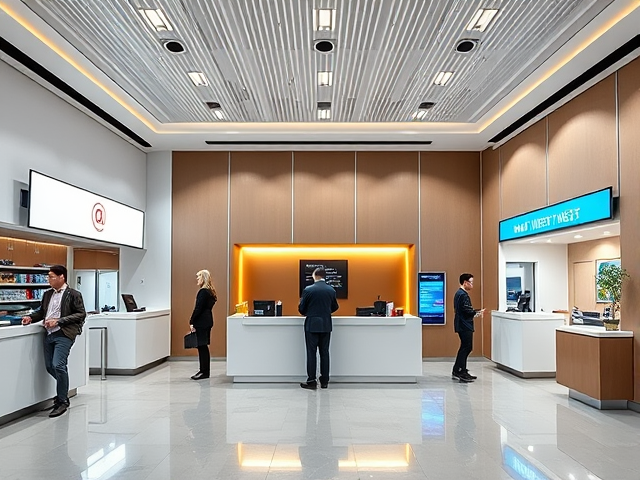
The benefits of digital queue systems extend across every sector that relies on face-to-face service. Here is how a queue management system reduces waiting time and delivers value in retail, hospitality, and banking:
Regardless of the industry, the benefits of digital queue systems are consistent: shorter wait times, happier customers, more efficient staff utilization, and a stronger competitive position in the market.
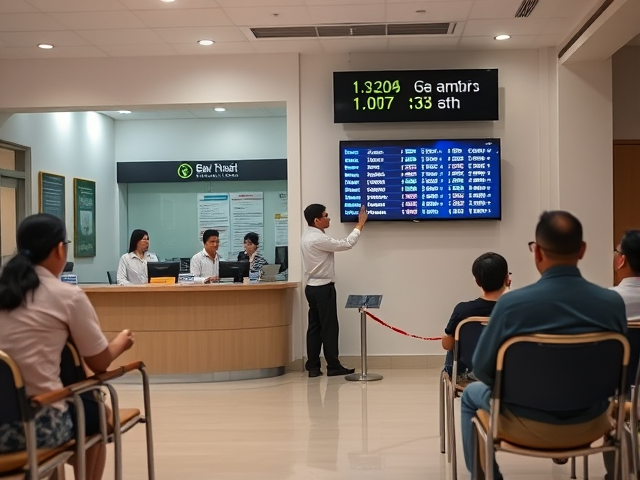
In Cambodia's rapidly growing economy, businesses across all sectors are under pressure to deliver faster, more reliable service. The benefits of digital queue systems for retail, hospitality, and banking are particularly pronounced in this market, where customer expectations are rising and competition is intensifying.
For Cambodian banks, a queue management system reduces waiting time by enabling appointment-based queuing, priority service for high-value clients, and real-time queue monitoring that prevents counter overload. Retail businesses benefit from virtual queuing that keeps customers engaged on the floor rather than frustrated in line. Hospitality venues use queue systems to manage table turnover, reduce no-shows, and improve dining experiences.
When staff are no longer overwhelmed by chaotic queues, they can focus on what matters most: delivering excellent service. This improvement in service efficiency is not just a operational gain — it is a strategic advantage that drives customer loyalty, positive word-of-mouth, and sustainable business growth in Cambodia's competitive landscape.
Long queues are not just a customer experience problem — they are a significant operational cost. When customers wait too long, they walk away. When they walk away, revenue is lost. And when staff are constantly managing chaotic queues, productivity drops and turnover increases.
A queue management system addresses all of these cost drivers:
The return on investment for a queue management system is often visible within the first few months of implementation. For businesses in Cambodia and across Southeast Asia, the combination of reduced waiting time, improved customer satisfaction, and lower operational costs makes it one of the most impactful technology investments available.
A modern queue management system does far more than manage lines — it generates actionable data that helps businesses continuously improve their service efficiency. Every interaction, wait time, and service duration is captured and analyzed.
By leveraging these data-driven insights, businesses can continuously refine their customer flow optimization strategies and ensure that their queue management system delivers maximum value over time.

Among the many digital queue solutions available, QueueBee stands out as a comprehensive, scalable, and easy-to-implement queue management system designed specifically for businesses that want to reduce waiting time and elevate customer experience.
For businesses in Cambodia and across Southeast Asia looking to implement a queue management system that truly reduces waiting time, QueueBee offers the technology, support, and proven results to make it happen.
Long queues cost businesses revenue, reputation, and customer loyalty. A queue management system from QueueBee eliminates these problems by reducing waiting time, optimizing customer flow, and delivering a seamless service experience across retail, banking, and hospitality sectors.
Ready to see how a digital queue solution can work for your business?