
Every business owner has witnessed it at least once: a customer standing at the counter, visibly frustrated, after waiting 20 minutes for a service that should have taken five. Manual waiting lines have been the default for decades, but in today's fast-paced world, they are no longer a viable option for businesses that want to retain customers and grow efficiently.
The problem with manual queuing is not just the time spent waiting. It is the uncertainty, the anxiety, and the feeling of being ignored. When customers cannot see how long they will wait or where they stand in line, their patience evaporates quickly. A queue management system eliminates these pain points by providing structure, transparency, and control over the entire customer journey.

Manual waiting lines may seem harmless, but they carry hidden costs that directly impact your bottom line. Customers who experience long, unmanaged queues are far more likely to walk away, leave negative reviews, and never return. In competitive markets, a single bad experience can cost you a loyal customer for life.
Research shows that the average customer will wait only about six minutes before their satisfaction begins to drop. Beyond that threshold, frustration sets in, and the likelihood of a walk-away increases dramatically. A queue management system addresses this by setting clear expectations, reducing perceived wait times, and keeping customers informed throughout their visit.
Types Of Queue Management Systems
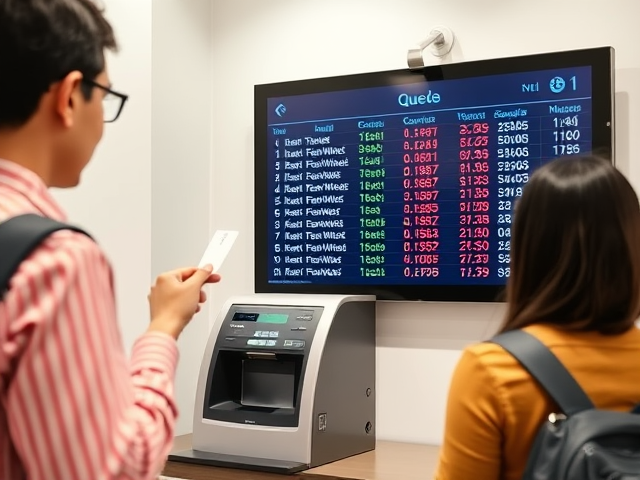
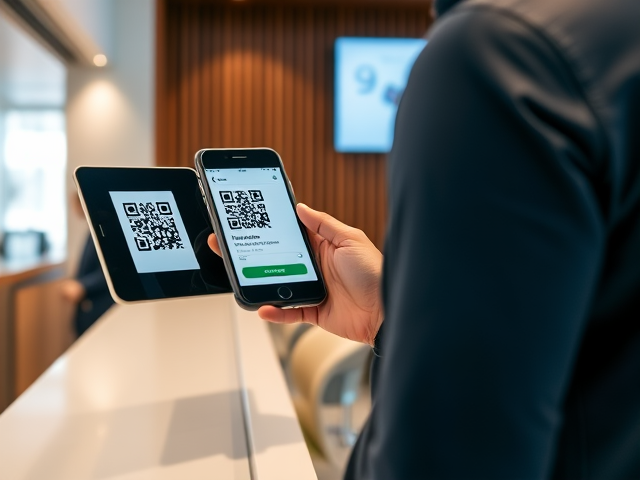
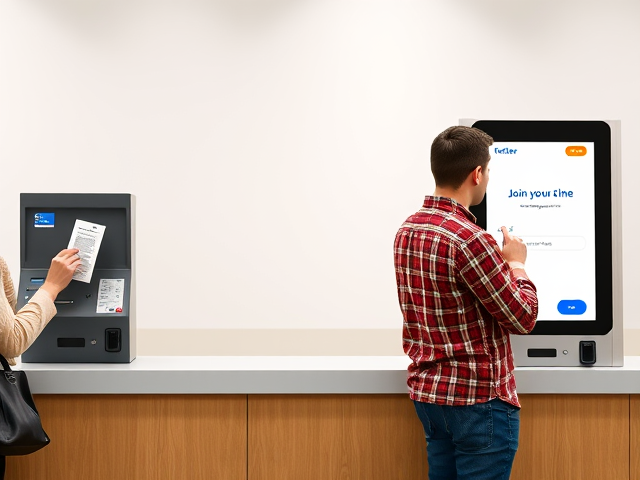
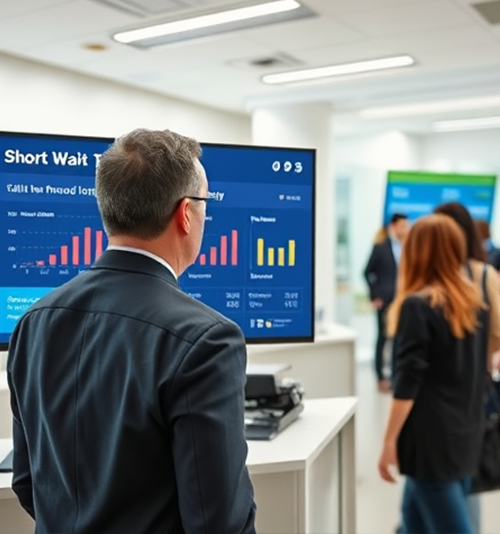
Studies consistently show that customers begin to feel dissatisfied after waiting just six minutes. Manual waiting lines rarely account for this threshold, often resulting in waits of 15, 20, or even 30 minutes during peak hours. A queue management system, on the other hand, is designed to keep wait times within an acceptable range by intelligently routing customers, balancing staff allocation, and preventing bottlenecks.
When you implement a queue management system, you are not just shortening the time customers spend waiting. You are also reducing the anxiety that comes with uncertainty. Customers who know exactly how long they will wait and where they stand in line are significantly more satisfied than those stuck in a manual waiting line with no visibility.
The difference is stark. With a queue management system, wait times become predictable, manageable, and often shorter than the time customers would have spent standing in a manual line. This alone is enough to justify the transition for any business that values customer retention.
One of the biggest frustrations with manual waiting lines is the lack of communication. Customers are left guessing how long they will wait, whether their place in line is secure, and what to do next. A queue management system solves this by providing real-time updates and clear visibility into the queuing process.
When customers use a queue management system, they benefit from:
Transparency is the cornerstone of trust. When a queue management system keeps customers informed, it builds confidence in your business and demonstrates that you value their time and comfort.
Manual waiting lines are inherently chaotic. Customers jostle for position, lines double back, and staff spend more time managing the crowd than serving customers. A queue management system brings order to this chaos by creating a structured, fair, and efficient customer flow.
When you compare a queue management system to manual waiting lines, the difference in customer flow management is undeniable. Order, fairness, and efficiency replace confusion, frustration, and inequality.

Customer service is no longer a luxury. It is a necessity. A queue management system directly enhances the quality of service your business delivers by removing the friction that manual waiting lines introduce.
Choosing between a queue management system and manual waiting lines is ultimately a choice between elevating your customer service standards or leaving them behind. The data is clear: businesses that adopt a queue management system see measurable improvements in satisfaction, retention, and revenue.

Manual waiting lines do not just frustrate customers. They also take a toll on your staff. Employees who constantly deal with angry, impatient customers in chaotic lines experience higher stress levels, lower morale, and increased turnover. A queue management system alleviates much of this pressure by bringing order to the queuing process.
When customers are informed, organized, and calm, staff members can focus on what they do best: delivering excellent service. They no longer need to manage disputes over line position, explain wait times repeatedly, or deal with the fallout of frustrated customers.
A queue management system transforms the workplace environment from stressful to structured. Staff feel supported, customers feel respected, and the overall dynamic of your business improves. This is a benefit that manual waiting lines simply cannot provide.
Happy staff lead to happy customers. When you invest in a queue management system, you are investing in both your team's well-being and your customers' satisfaction.
Manual waiting lines are expensive. Every customer who walks away due to a long wait represents lost revenue. Every staff member who spends time managing the crowd instead of serving customers represents wasted productivity. A queue management system directly addresses both of these cost centers.
By reducing walk-aways, optimizing staff allocation, and automating manual processes, a queue management system delivers a measurable return on investment. Businesses that have made the switch report significant reductions in operational costs and increases in revenue per customer.
The financial case for a queue management system over manual waiting lines is compelling. It is not just about improving the customer experience. It is about protecting and growing your revenue.
One of the most powerful advantages of a queue management system is the data it generates. Manual waiting lines produce no actionable insights. You have no way of knowing peak hours, average wait times, service duration, or customer drop-off rates. A queue management system captures all of this information and presents it in clear, actionable reports.
Manual waiting lines leave you operating in the dark. A queue management system gives you the visibility and insights needed to make smarter, faster decisions that drive growth.

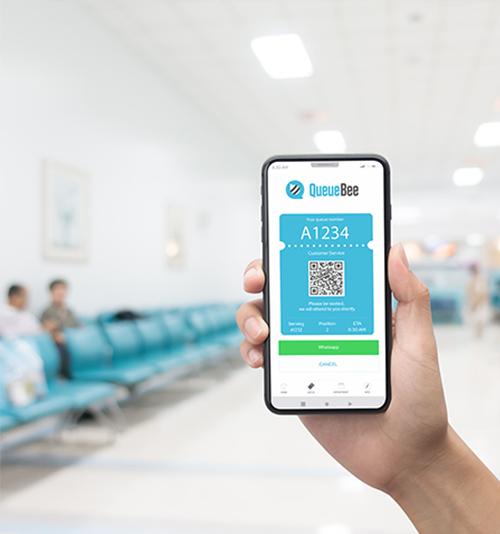
The comparison between a queue management system and manual waiting lines is not close. Manual waiting lines are a relic of the past, designed for a time when customers had nowhere else to go. Today, competition is fierce, and customers expect convenience, transparency, and respect for their time.
A queue management system delivers on all of these expectations. It reduces wait times, improves communication, manages customer flow efficiently, empowers staff, cuts operational costs, and provides data-driven insights that manual waiting lines simply cannot match.
For businesses in Cambodia and beyond, the choice is clear. If you want to stay competitive, retain customers, and grow your revenue, a queue management system is not just an upgrade. It is a necessity.
Ready to transform your customer experience? Discover how QueueBee's queue management system can eliminate long waits, boost staff efficiency, and drive your business forward. Whether you run a single branch or a multi-location operation across Cambodia, our solution scales to fit your needs — with zero disruption to your existing workflow. From virtual queuing and real-time notifications to data analytics and staff management tools, QueueBee gives you everything you need to leave manual waiting lines behind for good. Join hundreds of businesses that have already made the switch and are delivering faster, smarter, and more satisfying customer experiences every day.
Contact us today for a personalised solution tailored to your business goals.