Queue Management Systems for Government Offices in Cambodia

Blog | Last Updated: May 11, 2026

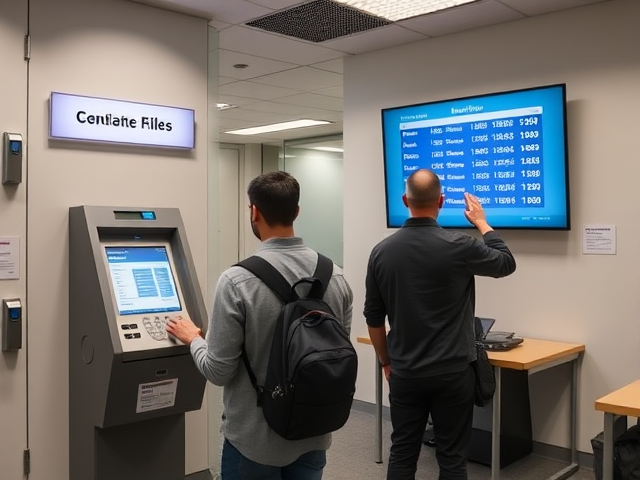
Traditional queue management approach — first come, first served with paper tickets

Every day across Cambodia, thousands of citizens visit government offices to renew passports, register businesses, obtain permits, and access public services. Yet for many, the experience begins not with efficient service but with long physical queues that stretch from early morning until late afternoon. In cities like Phnom Penh, Siem Reap, and Sihanoukville, government offices often see hundreds of visitors daily, creating congestion, frustration, and wasted hours of productive time.

Citizens lose valuable working hours standing in lines, staff become overwhelmed by crowd control, and office efficiency suffers. This is where implementing a modern queue management system becomes essential for modernising public service delivery and meeting the expectations of Cambodia's increasingly tech-savvy citizenry.

Queue Management System for Government Offices in Cambodia

Why Government Offices in Cambodia Need a Queue Management System

Cambodia's government digital transformation initiative, led by the Ministry of Post and Telecommunications, aims to modernise public services and improve citizen satisfaction. A queue management system plays a critical role in achieving these goals by addressing the fundamental challenges that plague traditional government office operations.

Long wait times in government offices do more than inconvenience citizens — they undermine trust in public institutions, reduce compliance with regulatory requirements, and create opportunities for corruption. By implementing a smart queue system, government offices can demonstrate transparency, fairness, and efficiency, aligning with Cambodia's broader digital governance objectives and international development standards.

Types of Queue Management Solutions for Government Offices

Understanding the available queue management system options helps government offices choose the right approach for their specific needs and infrastructure.

Physical Queue System for Government Offices

Physical Queue System

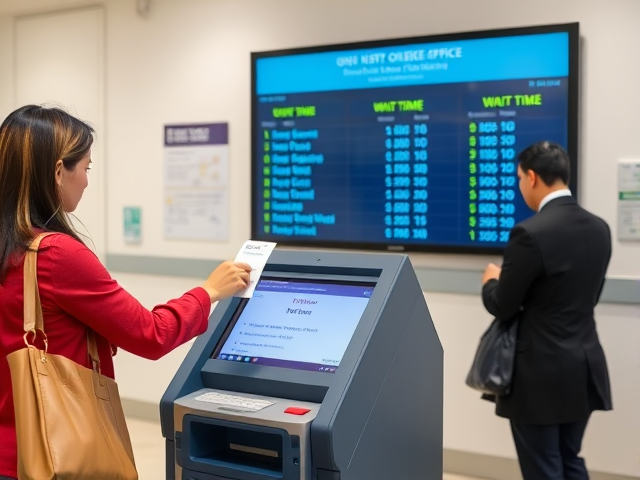
A physical queue system uses on-site kiosks and ticket dispensers to manage citizen flow within government office premises. Visitors take a numbered ticket upon arrival and wait in an orderly line, with digital displays showing their position and estimated wait time. This approach brings immediate structure and fairness to government office queuing without requiring citizens to use smartphones.
Virtual Queue System for Government Offices

Virtual Queue System

A virtual queue system allows citizens to join a queue remotely via mobile apps, websites, or SMS. Instead of waiting inside crowded government offices, Cambodian citizens can join the queue from their homes, workplaces, or nearby locations and receive real-time notifications when their turn approaches. This is particularly valuable for rural citizens who travel long distances to access government services.
Hybrid Queue System for Government Offices

Hybrid Queue System

A hybrid queue system combines the reliability of physical queuing with the convenience of virtual queuing. Government offices can offer both on-site ticket dispensing and remote queue joining options, ensuring that all citizens — regardless of their access to smartphones or internet connectivity — can benefit from an organised queue management system.
Reducing Citizen Wait Times with Queue Management System
1

Reducing Citizen Wait Times:
Improving Public Service Efficiency

Research shows that citizens typically tolerate only 5 to 10 minutes of waiting before dissatisfaction sets in. In Cambodian government offices where wait times can easily exceed 2 to 4 hours, the gap between expectation and reality is enormous. A queue management system directly addresses this by optimising service flow, prioritising urgent cases, and ensuring that every citizen is served in a fair, transparent order.

When a government office implements a queue management system, average wait times can be reduced by up to 60%. This means citizens spend less time away from their businesses and families, and government staff can process more applications per day without working longer hours. For Cambodia's ambitious digital government agenda, this efficiency gain is not just convenient — it is essential for scaling public services to meet growing demand.

A virtual queue system takes this further by allowing citizens to wait off-site, effectively eliminating perceived wait times entirely. Citizens receive SMS or app notifications when their turn is near, enabling them to arrive just in time for service — transforming what was once a wasted half-day into a productive visit.

2

Ensuring Transparency and Fairness:
Reducing Corruption Risks

One of the most significant challenges facing government offices in Cambodia is the risk of corruption and favouritism in service delivery. When queues are unmanaged or rely on informal arrangements, citizens who arrive later may be served first through connections or bribes — a practice that erodes public trust and undermines governance.

A smart queue system eliminates these vulnerabilities by enforcing a transparent, automated queuing process:

Automated First-Come, First-Served Order

The queue management system automatically records the exact time each citizen joins the queue, ensuring that service order is determined by arrival time rather than personal connections or payments.

Digital Audit Trail

Every queue interaction is logged digitally, creating a transparent record that can be reviewed by oversight bodies. This accountability mechanism deters corrupt practices and builds citizen confidence in government institutions.

Priority Service for Vulnerable Groups

A queue management system can be configured to automatically prioritise elderly citizens, pregnant women, and persons with disabilities — ensuring that those who need priority access receive it without requiring them to advocate for themselves in crowded offices.

By removing human discretion from queue ordering, a queue management system becomes a powerful anti-corruption tool. For Cambodia's government offices, this is not merely an operational improvement — it is a contribution to national governance reform and the restoration of citizen trust in public institutions.

3

Optimising Staff Workload:
Enhancing Government Employee Productivity

Government office staff in Cambodia often face overwhelming workloads, with limited resources to manage surges in citizen traffic. During peak periods — such as tax filing seasons, passport renewal windows, or business registration deadlines — staff can be stretched to their limits, leading to burnout, errors, and declining service quality.

Reduced Stress and Improved Morale

When citizens are organised and wait times are managed, government staff face fewer confrontations and complaints. A calmer office environment leads to better staff morale, lower turnover, and higher quality service delivery — all critical for Cambodia's public sector workforce.

Predictive Staffing Insights

Historical queue data reveals patterns in citizen visitation — which days are busiest, which services create the longest queues, and when peak hours occur. Government administrators can use these insights to schedule staff more effectively and plan for seasonal surges.

Balanced Workload Distribution

A queue management system provides real-time visibility into citizen flow, enabling supervisors to redistribute staff across service counters dynamically. This prevents some counters from being overwhelmed while others remain idle.

A smart queue system transforms government office operations from reactive chaos to proactive management. Staff can focus on delivering quality service rather than managing crowds, and supervisors can make data-driven decisions about resource allocation — ultimately creating a more professional and efficient public service environment.

Optimising Staff Workload with Queue Management System
4

Building Citizen Trust:
Enhancing Government Service Reputation

In Cambodia, the reputation of government offices is closely tied to the citizen experience. Negative experiences — long waits, rude staff, confusing processes — spread quickly through word of mouth and social media, damaging public confidence in government institutions. A queue management system directly addresses these pain points and helps rebuild trust.

Professional First Impressions

When citizens arrive at a government office and find an organised, technology-enabled queue system, their first impression is one of modernity and competence. This sets a positive tone for the entire interaction and signals that the office is committed to service excellence.

Consistent Service Standards

A queue management system ensures that every citizen receives the same level of treatment regardless of which counter they visit, which staff member serves them, or what time of day they arrive. This consistency is fundamental to building trust in government institutions.

Real-Time Communication

Through digital displays, SMS notifications, and mobile apps, citizens receive accurate information about their position in the queue and estimated wait times. This transparency reduces anxiety and demonstrates that the government office respects their time.

Feedback and Continuous Improvement

Modern queue management systems can collect citizen feedback at the end of each interaction, providing government offices with actionable data to continuously improve their service delivery and address recurring issues.

For Cambodia's government offices, a queue management system is not just an operational tool — it is a citizen engagement platform that demonstrates the government's commitment to transparency, efficiency, and public service excellence. In an era where citizens increasingly expect digital convenience from all service providers, including government, adopting a queue management system is a critical step toward modernising Cambodia's public sector.
Data-Driven Government Service Improvement
5

Enabling Data-Driven Governance:
Insights for Policy Makers

One of the most underutilised assets in government offices is data. Without a queue management system, administrators have little visibility into citizen behaviour — which services are most popular, when peak demand occurs, how long each service takes, and where bottlenecks form. This lack of data makes it nearly impossible to make informed decisions about resource allocation, policy changes, or infrastructure investments.

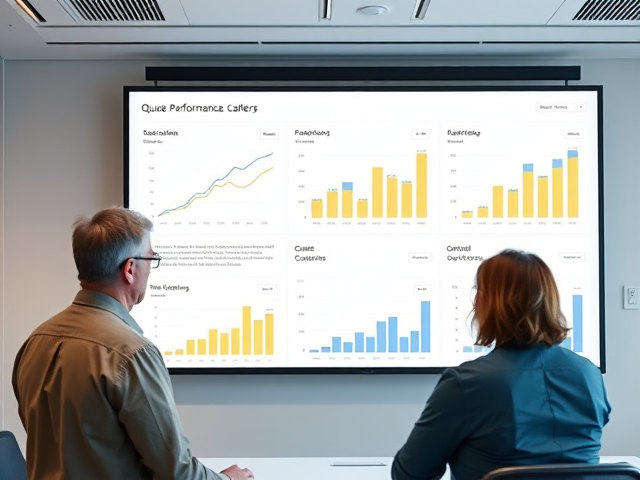
A smart queue system transforms raw queue data into actionable intelligence. Government administrators can access dashboards showing real-time and historical metrics including average wait times, service completion rates, peak hour patterns, and citizen satisfaction scores. These insights enable evidence-based decision-making that aligns perfectly with Cambodia's digital government transformation goals.

Key data points a queue management system provides:

Average and peak wait times by service type and time of day
Service completion rates per staff member and per counter
Citizen no-show and walk-away rates
Popular service categories and seasonal demand patterns
Staff utilisation and overtime requirements
Citizen satisfaction scores from post-service feedback

With this data, government offices in Cambodia can optimise staffing schedules, identify services that need additional resources, plan infrastructure upgrades, and report transparently to citizens about service performance — all hallmarks of a modern, data-driven government.

6

Supporting Cambodia's Digital Transformation:
Aligning with National Policy Goals

Cambodia's government has set ambitious targets under its Digital Economy and Society Policy Framework 2021-2035, which aims to digitise public services and improve citizen access to government information. A queue management system is a foundational technology that supports these national objectives by modernising the citizen-government interaction layer.

Supporting the One-Stop Shop Model

As Cambodia expands its One-Stop Shop model for business registration and licensing, a queue management system ensures that the increased citizen traffic is managed efficiently without compromising service quality.

Bridging the Digital Divide

By offering both virtual and physical queue options, a queue management system ensures that citizens without smartphones or internet access are not excluded from the benefits of digital transformation — a critical consideration in Cambodia's diverse urban-rural landscape.

Scalable Infrastructure for Future Growth

As Cambodia's population grows and more services move online, government offices will need scalable queue management solutions that can handle increasing demand without proportional increases in physical infrastructure or staffing costs.

For government offices across Cambodia, implementing a queue management system is not just an operational upgrade — it is a strategic investment in the country's digital future. It aligns with national policy goals, supports economic development, and demonstrates the government's commitment to serving citizens with efficiency, transparency, and respect.

7

Why QueueBee for Government Offices in Cambodia:
A Trusted Queue Management Partner

QueueBee's queue management system is purpose-built to meet the unique needs of government offices in Cambodia and across Southeast Asia. With proven deployments in public sector environments, QueueBee offers a comprehensive solution that addresses every aspect of government office queuing — from citizen-facing queue joining to back-office analytics and reporting.

Multi-Language Support

QueueBee's interface supports Khmer, English, and other regional languages, ensuring that all citizens — regardless of their language proficiency — can navigate the queue system with ease and confidence.

Offline Mode Capability

Recognising that internet connectivity can be unreliable in some Cambodian provinces, QueueBee's system operates fully offline and syncs data when connectivity is restored — ensuring uninterrupted service delivery.

Local Support and Training

QueueBee provides on-site installation, staff training, and ongoing technical support in Cambodia, ensuring that government offices can adopt and operate the system confidently with minimal disruption to daily operations.

Flexible Deployment Options

Whether your government office needs a cloud-based solution, an on-premise deployment, or a hybrid approach, QueueBee offers flexible deployment models that fit your IT infrastructure and budget requirements.

SMS and WhatsApp Notifications

QueueBee integrates with local SMS gateways and WhatsApp Business API to send queue status updates directly to citizens' phones, ensuring they stay informed even without internet access or smartphone apps.

Priority Queue
Configuration

Government offices can configure priority rules for elderly citizens, pregnant women, persons with disabilities, and VIP visitors — ensuring that vulnerable groups receive the attention they deserve without disrupting the overall queue flow.

Government-Grade
Security

QueueBee's system meets government security standards with encrypted data transmission, role-based access control, and audit logging — ensuring that citizen data and queue records are protected against unauthorised access.

Integration with Government Systems

QueueBee can integrate with existing government databases, citizen identification systems, and document management platforms — creating a seamless digital experience from queue joining to service completion.

For government offices in Cambodia seeking a reliable, scalable, and citizen-friendly queue management system, QueueBee offers the expertise, technology, and local support needed to transform public service delivery. With QueueBee, government offices can move from chaotic, frustrating queues to organised, efficient, and transparent service environments — setting a new standard for public service in Cambodia.

Transform Government Service Delivery in Cambodia with QueueBee

Ready to modernise your government office and improve citizen satisfaction? Discover how QueueBee's queue management system can transform your public service operations — reducing wait times, eliminating corruption risks, and supporting Cambodia's digital transformation agenda.
Contact us today for a personalised government office solution

Whatsapp