
A smart queue system is a modern, technology-driven solution designed to manage customer flow efficiently and transparently. Unlike traditional queuing methods that rely on physical lines and manual ticketing, a smart queue system leverages digital tools such as virtual queuing, real-time notifications, and automated scheduling to streamline the entire waiting experience.
For public sector organisations in Cambodia, where government offices, hospitals, and municipal services often face heavy foot traffic and long waiting periods, implementing a smart queue system can be transformative. It replaces chaotic first-come-first-served lines with structured, data-informed processes that respect every citizen's time and enhance the overall customer experience.
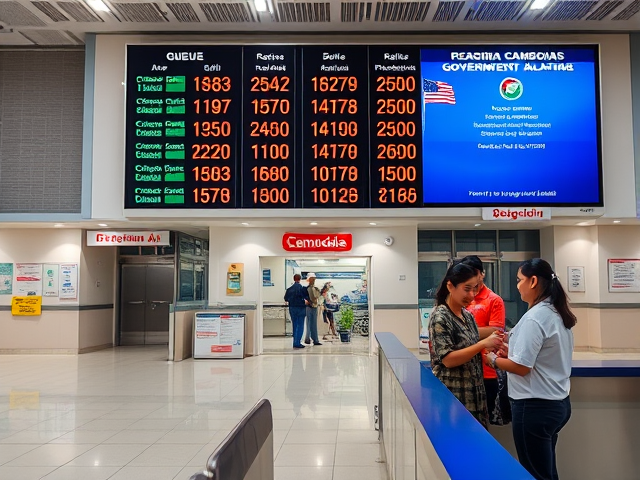
Cambodia's public sector is undergoing rapid modernisation, yet many government offices and service centres still operate with outdated queuing methods. Citizens frequently endure long waits, overcrowded service halls, and unclear procedures — all of which erode trust and diminish the customer experience.
Adopting a smart queue system is no longer optional for public institutions. It is a strategic necessity. A well-implemented queue management system ensures that citizens receive timely, fair, and respectful service. It also reduces administrative bottlenecks, improves staff productivity, and positions Cambodia's public sector as a forward-thinking, citizen-centric organisation.
Choosing The Right Queue System For Public Services


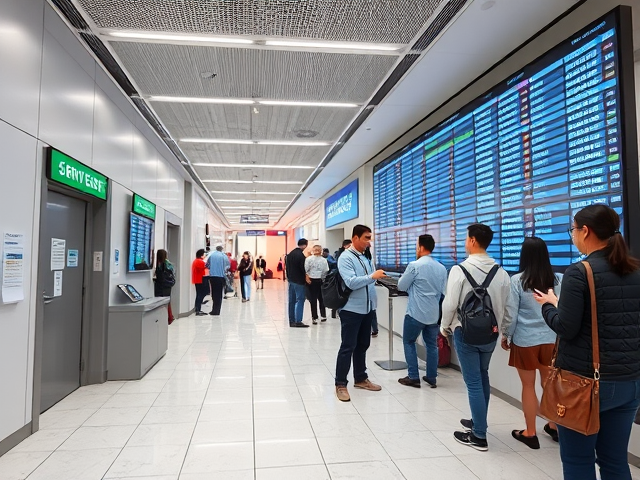

Long wait times are one of the most common complaints from citizens visiting government offices in Cambodia. Studies show that most people become dissatisfied after waiting just 5 to 10 minutes. When public sector services fail to respect this threshold, frustration mounts and trust in government institutions declines.
A smart queue system directly addresses this issue by optimising service flow, balancing workload across counters, and eliminating unnecessary delays. By keeping wait times within an acceptable range, public institutions demonstrate respect for citizens' time and significantly improve the customer experience.
When a queue management system is integrated with real-time monitoring and automated alerts, administrators can proactively manage peak hours, deploy additional staff when needed, and ensure that no citizen is left waiting unnecessarily. This level of operational control is essential for modernising Cambodia's public service delivery.
Transparency is a cornerstone of good governance. When citizens visit a public office, they deserve to know exactly where they stand in the queue, how long they will wait, and what to expect next. A smart queue system delivers this transparency through automated notifications, digital displays, and mobile updates.
Here is how improved communication through a queue system benefits Cambodian public sectors:
By integrating seamless communication into the queuing process, Cambodian public sectors can transform how citizens perceive government services. Whether through SMS alerts, WhatsApp notifications, or on-site digital screens, a smart queue system ensures that every citizen stays informed and engaged throughout their visit.
In public sector environments, managing large crowds is a daily challenge. Government offices, hospitals, and municipal service centres often experience sudden surges in visitors, which can lead to overcrowding, safety concerns, and degraded service quality.
Efficient crowd management is vital for any public-facing institution. It is not just about guiding people; it is about creating an orderly, comfortable environment where citizens feel valued and respected. This approach enhances the entire customer experience and positions Cambodia's public sector as a modern, citizen-first organisation.

In today's digital age, citizens expect the same level of service quality from government offices as they do from private sector businesses. A smart queue system is a critical component of delivering that standard. Here is how it elevates public service excellence:
Effective customer experience is a continuous journey of understanding and responding to citizen needs. Implementing a robust smart queue system is a powerful step in this journey, ensuring that every interaction counts towards building a strong, lasting relationship between the public sector and the people it serves.

Public sector staff in Cambodia often face immense pressure from long queues, repetitive inquiries, and frustrated citizens. This environment is demoralising and unsustainable. When staff are constantly managing chaos rather than delivering quality service, morale drops and productivity suffers.
Consistently dealing with unhappy citizens takes a toll on even the most dedicated public servants. It is not just about occasional complaints; it is the daily grind of managing disorder that erodes motivation. Trying to maintain high service quality in the face of constant negativity is a tall order for anyone.
A smart queue system can make a world of difference. By streamlining the waiting process and keeping citizens informed, much of this stress can be alleviated. Staff no longer need to manage disputes over queue order or field repetitive questions about wait times.
Imagine a system where citizens know exactly what to expect and when. They are less likely to take out frustration on staff because they are not caught in an endless loop of uncertainty. This kind of transparency helps both citizens and staff.
When staff are not constantly putting out fires caused by long waits and poor communication, they are free to do what they do best: provide outstanding public service. They can focus on enhancing the customer experience, personalising interactions, and genuinely connecting with citizens. This not only improves morale among the team but also elevates the overall quality of public service delivery.
Inefficiencies in public sector queue management are more than just inconveniences; they directly impact government budgets and service delivery. Long, unmanaged lines lead to wasted staff hours, increased operational costs, and lost productivity.
A smart queue system addresses these inefficiencies head-on:
The impact of a smart queue system can be substantial. By improving productivity and efficiency, it opens the door to significant operational cost savings. Imagine the potential of reducing operational inefficiencies by up to 90% with a well-implemented queue management system across Cambodia's public sector.
A smart queue system does more than just manage lines; it provides valuable data across the entire citizen journey. This data is key to making smarter, more informed decisions in public sector management.

Cambodia's public sectors have a unique opportunity to lead the way in modernising citizen services. A smart queue system is not just a technological upgrade; it is a commitment to improving the customer experience, reducing operational waste, and building public trust. Contact us today for a personalised solution tailored to your institution's needs.