
Walk into any general practitioner clinic in Phnom Penh during morning hours, and you will witness a familiar scene: patients crowding the reception desk, nurses shouting out queue numbers, and families waiting for over an hour just to see a doctor for a simple consultation. This chaotic environment is not unique to Cambodia; it is a widespread challenge across Southeast Asian healthcare facilities. Yet, for GP clinics operating in a rapidly growing market like Cambodia, the consequences of poor queue management are far more severe.
In a country where healthcare demand is surging and patient expectations are evolving, the traditional first-come-first-served approach is no longer sustainable. Long wait times lead to frustrated patients, overworked staff, and missed revenue opportunities. The solution lies in adopting a modern queue management system that transforms how clinics handle patient flow, communication, and service delivery. For GP clinics in Cambodia, implementing a virtual queue system is not just an upgrade; it is a necessity for staying competitive and delivering quality care.
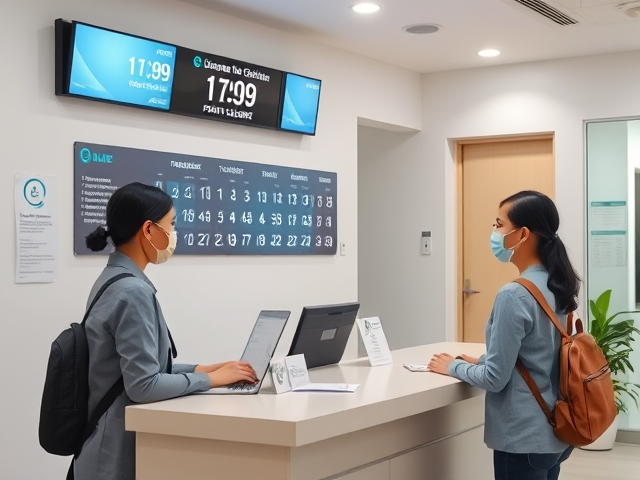
GP clinics in Cambodia serve a diverse patient population, from local residents to medical tourists seeking affordable healthcare. With the healthcare sector expanding rapidly, clinics that fail to manage patient flow efficiently risk losing patients to competitors who offer a smoother experience. A well-implemented queue management system addresses the core pain points that plague traditional clinics.
The impact of inefficient queuing extends beyond patient frustration. It affects clinic reputation, staff morale, and operational profitability. In a market where word-of-mouth and online reviews heavily influence healthcare choices, a single negative experience can deter potential patients. By adopting a smart queue system, GP clinics can position themselves as modern, patient-centric facilities that respect every individual's time and well-being.
Types of Queue Management Solutions Available
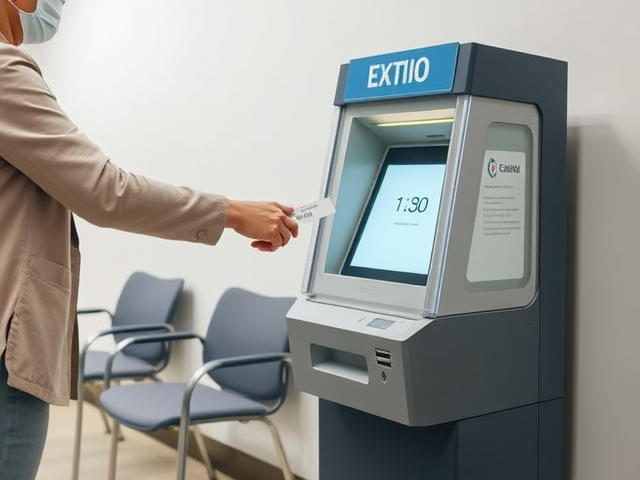

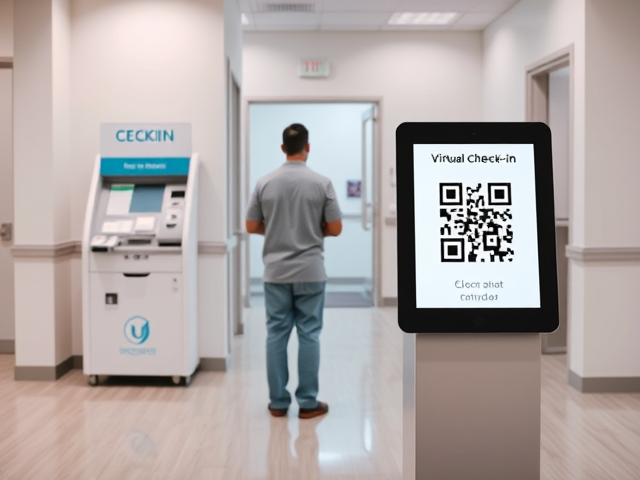
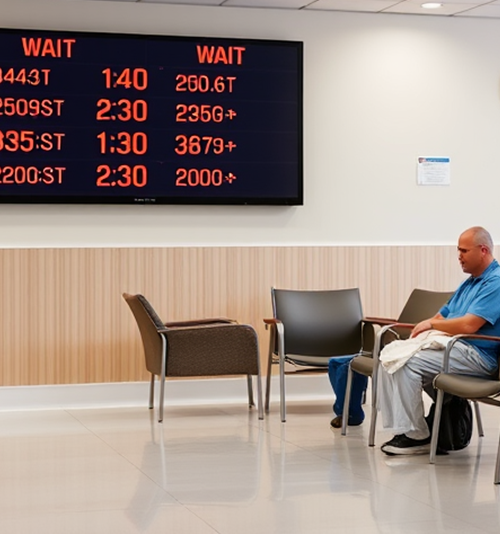
Studies show that patients begin to feel anxious after just five to ten minutes of waiting. For GP clinics in Cambodia, where consultation times are often short and patient volumes are high, even a small reduction in wait times can significantly improve satisfaction. A queue management system ensures that patients are seen in a fair, orderly manner, and that no one is overlooked or unfairly delayed.
When patients know their place in the queue and receive accurate wait time estimates, their perception of the clinic improves dramatically. A smart queue system eliminates the guesswork and frustration of standing in line, allowing GP clinics to deliver a more professional and compassionate service experience.
By integrating a virtual queue management system, clinics can further reduce perceived wait times by allowing patients to wait offsite. This not only improves patient comfort but also frees up valuable clinic space, creating a more welcoming environment for those who are being seen.
Communication is the backbone of any successful healthcare facility. When patients are left in the dark about their wait status, anxiety builds and trust erodes. A queue management system bridges this gap by providing real-time updates and transparent communication throughout the patient journey.
Imagine a system where patients receive automated notifications about their queue position, estimated wait time, and when it is time to return. This level of transparency delivers three key benefits:
By integrating seamless communication into the queuing process, GP clinics in Cambodia can ensure that every patient feels informed and respected. Whether through SMS, WhatsApp, or a dedicated patient portal, a queue management system keeps the lines of communication open and the patient experience positive.
In GP clinics, managing patient flow is essential for maintaining a calm and orderly environment. Without proper crowd management, waiting rooms become overcrowded, staff become overwhelmed, and the overall patient experience suffers. A queue management system provides the tools needed to guide patients smoothly from arrival to consultation.
Efficient crowd management is vital for any GP clinic in Cambodia. It is not just about organising patients; it is about creating an environment where healthcare delivery is smooth, stress-free, and focused on patient well-being. This approach enhances the entire clinic experience and sets the clinic apart from competitors.

In Cambodia's competitive healthcare landscape, patient experience is a key differentiator. A queue management system plays a pivotal role in elevating the standard of care by ensuring that every patient interaction is smooth, respectful, and efficient. Here is how a queue management system transforms the patient experience for GP clinics:
Delivering an exceptional patient experience is an ongoing commitment. Implementing a robust queue management system is a powerful step toward that goal, ensuring that every patient interaction contributes to a strong, lasting relationship between the clinic and the community it serves.

GP clinic staff in Cambodia often face immense pressure from managing patient flow, handling complaints about wait times, and delivering quality care simultaneously. When queues are disorganised, staff spend more time managing chaos than providing care. This leads to burnout, reduced productivity, and lower morale.
Imagine a clinic where patients arrive in an orderly fashion, where staff know exactly who is next and when, and where the waiting room is calm and manageable. This is the reality when a smart queue system is implemented. Staff can focus on what they do best: delivering excellent healthcare.
With a queue management system in place, the administrative burden is significantly reduced. Receptionists and nurses are freed from manually calling out queue numbers and managing overcrowded waiting areas. They can instead focus on patient triage, health education, and ensuring a smooth consultation process.
When staff are not constantly dealing with frustrated patients and disorganised queues, their job satisfaction improves. This leads to lower staff turnover, better team cohesion, and a more positive clinic culture. For GP clinics in Cambodia, investing in a queue management system is an investment in the well-being of the entire healthcare team.
Inefficient queue management costs GP clinics more than just patient satisfaction. It directly impacts revenue through walkaways, lost consultations, and wasted staff hours. When patients leave without being seen, the clinic loses not only the consultation fee but also potential follow-up visits and referrals. A queue management system helps clinics capture and retain every patient.
A well-implemented queue system delivers measurable cost savings:
The financial impact of a queue management system can be substantial. By improving efficiency and reducing operational waste, clinics can redirect resources toward patient care and business development. For GP clinics in Cambodia, the return on investment is clear: a smarter queue system leads to a healthier bottom line.
A modern queue management system does more than organise patients; it provides valuable data that GP clinics can use to make smarter operational decisions. From average wait times to peak consultation hours, the insights generated by a queue system empower clinic managers to optimise every aspect of their operations.
In summary, a queue management system is not just a tool for managing lines; it is a strategic asset that provides GP clinics in Cambodia with the data and insights needed to operate more efficiently, serve patients better, and grow their business.
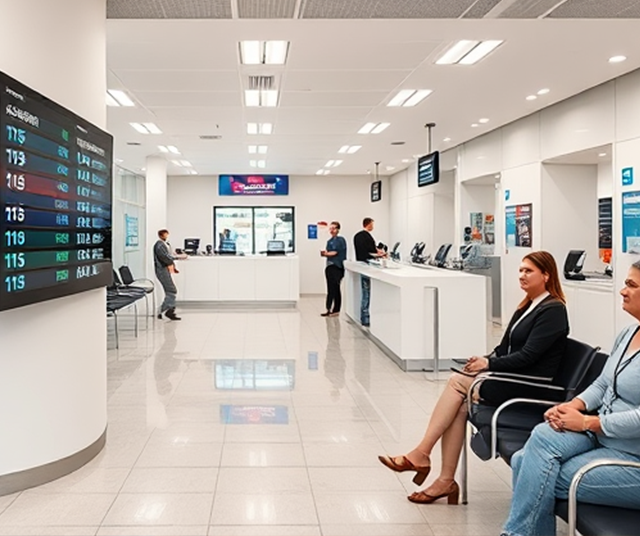
GP clinics in Cambodia are at a critical juncture. Patients expect faster service, better communication, and a more comfortable waiting experience. QueueBee's queue management system, including virtual queue system and smart queue system capabilities, empowers clinics to meet these expectations and exceed them. Reduce wait times, improve staff efficiency, and deliver an exceptional patient experience. Contact us today for a personalised queue system solution tailored to your clinic's needs.